




This post is all about how to start a blog in 2026 the right way, so you can build a blog that doesn’t just sit there looking cute. It actually makes money hand over fist.
Let’s be honest for a second.
A lot of people want to know how to start a blog because it sounds fun, flexible, and maybe a little dreamy. Work from home. Write in pajamas. Make passive income. Romantic, right?
Then literally 5 min later they’re spiraling down the Google rabbit hole asking things like:
“What niche should I choose?”
“Do I need hosting?”
“What even is hosting?”
“Why does every blogger recommend something different?”
“And why does half the internet act like blogging is dead while still making money from blogs?”
It’s a MESS!
So let me save you the headache my dear.
I’ve been building blogs for years now. One of my early blogs was making $15,000 a month before it hit the one-year mark (Bingo! I sold it). But that’s when I figured something out. Blogging isn’t magic. It’s not luck. And it’s definitely not reserved for those perfectly polished influencers with a Pinterest-worthy desk setup to pull it off either.
It’s a formula.
And once you understand that formula, this whole thing gets a lot less scary.
If you’re the type of person who learns better with a step-by-step plan, I actually put together a free 7-Day Blogging Blueprint that walks you through the exact process of starting a blog from scratch.
Think of it like having a blogging bestie sitting beside you saying:
“Okay, today we’re doing this.”
And tomorrow:
“Great. Now let’s do this.”
No overwhelm. No tech headaches. No spending three hours watching random YouTube tutorials only to end up more confused than when you started.
You can grab it free here and follow along as you read this guide.
In this guide, I’m going to walk you through exactly how to start a blog, choose a niche, pick the right hosting, build traffic, grow an email list, and make money without doing dumb beginner stuff that wastes time and money!
Welcome to the fun part.
TL; DR: How to Start a Blog
If you want the fast version of how to start a blog, here it is:
- Choose a niche that has traffic and money potential
- Make sure people are searching for that topic
- Pick a self-hosted blog with a real domain name
- Use reliable hosting instead of cheap junk
- Create content based on keywords and reader demand
- Build an email list from day one
- Monetize with affiliate links, digital products, and ads
- Diversify your income so one platform can’t wreck your life overnight
If you do those things in the right order, you’re already ahead of most bloggers.
What Does It Mean to Start a Blog?
To start a blog means creating your own website where you publish helpful content around a specific topic. A blog can make money through affiliate links, ads, digital products, services, or email marketing when it’s built the right way.
A strong blog usually has:
- a clear niche
- useful content
- good SEO
- a real domain name
- self-hosted web hosting
- a monetization plan
That’s the difference between a hobby blog and a blog business.
Why Blogging Is Still One of the Smartest Online Businesses
People love to say blogging is dead.
And yet… here we all are, still Googling everything from “how to unclog a toilet” to “best side hustles for moms” like our lives depend on it.
Blogging is not dead. FAR from it!
But bad blogging? Yeah bad blogging is dead.
Low-effort junk posts nobody asked for? Dead. Dead. Dead.
Helpful, strategic, money-making blogs? Very much alive.
A blog is still one of the best online businesses because:
- it has low startup costs
- you own it
- it can bring in passive traffic
- it can make money in multiple ways
- it grows over time like a digital asset
Social media is nice, but a blog is yours. Nobody can wake up tomorrow, change an algorithm, and shove your whole business into the basement.
That matters.
What You Need Before You Start a Blog
Before you build anything, your blog niche needs four things:
✅Traffic potential
✅Buyer potential
✅Manageable competition
✅A topic you can actually stick with
In plain English, you want a niche where:
- people are already searching for answers
- there are products or services connected to it
- you’re not trying to fight 9,000 giant websites at once
- you won’t want to throw your laptop out the window after 3 months
That’s the sweet spot.
To Niche or Not to Niche?
That is the question.
And the answer is: YES, niche down.
Not into some painfully tiny corner where you can only write 6 blog posts and then cry, but enough that people know what your site is about.
You don’t want a blog that covers everything and the family dog! Lol. Could you imagine? A single blog that covers all these topics:
- dog cakes
- budget tips
- Taylor Swift
- soup recipes
- marriage advice
- and somehow mushrooms
Haha. No thank you! That’s not a niche. That’s a yard sale!
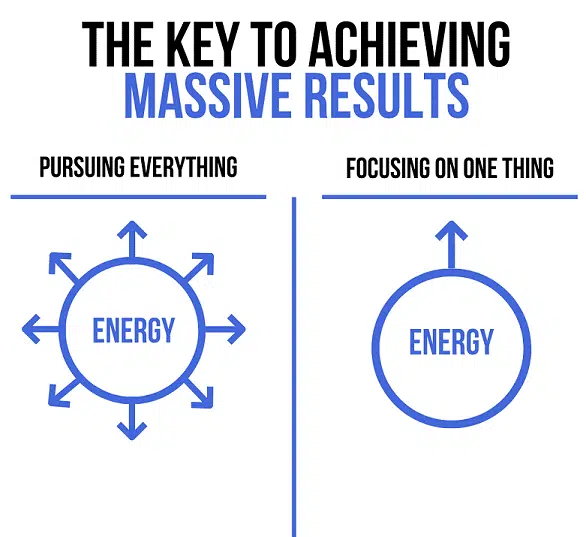
Pick a topic (ONE TOPIC) that makes sense, has demand, and gives you room to create lots of content (that’s huge).
One of the most important steps when you start a blog is choosing the right topic. If you’re still deciding, check out my guide on the best niche for blogging with low competition.
How to Find a Niche for Your Blog
Step 1: Use Keyword Research Before You Get Attached
Before you fall in love with a niche name, make sure people actually care about the topic.
This is where keyword research comes in.
Keyword research helps you see what people are searching for on Google so you can build your blog around real demand instead of hope and vibes.
For example, maybe you want to start a blog about dog birthday cakes.
You might think the keyword should be:
dog birthday cake recipes
But after doing keyword research, you find out more people search for:
birthday cake recipes for dogs
Annoying? Yes.
Important? Also yes.
Google wants what Google wants.
And if you ignore that right from the start, you can waste a whole lot of time building around the wrong phrase.
So, make a list of possible blog topics and test them before you commit.
Step 2: Make Sure Your Niche Has Lots of Content Ideas
You do not just need one good keyword.
You need a whole pile of them.
Think of your niche like a pizza.
Your main topic is the crust.
Your long-tail keywords are the toppings.
If you only have crust, that’s sad. That’s not dinner. That’s a cry for help.
You need enough blog post ideas to keep your site growing for a long time.
That means your niche should have:
- broad keywords
- specific long-tail keywords
- product-related keywords
- question-based keywords
- beginner content ideas
- comparison and review ideas
If your niche runs out of content fast, that’s a red flag.
Step 3: Pick Something You Can Stand Talking About
Do you need to be wildly passionate about your niche?
No.
But you do need to not hate it.
Because even profitable topics can become torture if you find them painfully boring.
I’ve had sites I quit because I simply did not care enough to keep going.
And let me tell you, trying to write 100 blog posts on a topic you can barely tolerate feels like community service.
That said, passion alone does not make money.
Demand makes money.
So, the goal is not “follow your bliss” and float into the sunset.
The goal is:
- choose something with demand
- choose something monetizable
- choose something you can keep showing up for
That’s what matters.
Step 4: Spy on the Competition Without Being Weird About It
Yes, you should absolutely study your competition.
And no, it’s not cheating.
It’s research.
Go look at successful blogs in your niche and study:
- their most popular posts
- their post topics
- their headlines
- their social shares
- their comment counts
- the products they promote
If nobody is succeeding in your niche, that usually is not some magical hidden opportunity.
Usually, it means the niche is weak.
Competition is good.
You want proof that money exists.
You just do not want a niche so saturated that your little baby blog gets swallowed whole before it learns to walk.
My favorite strategy?
Don’t reinvent the wheel. Improve it.
That’s what smart bloggers do.
They look at what’s already working and make it better.
Step 5: Reverse Engineer How You’ll Make Money
This step is where a lot of beginner bloggers mess up.
They focus only on traffic.
Traffic is great, but traffic without a money plan is just strangers wandering around your website for free.
Before you start a blog, ask yourself:
- What will I sell?
- What can I promote?
- Are there affiliate products in this niche?
- Could I create digital products later?
- Would ads make sense here?
Some blogs make money mostly with ads. That can work.
But ads should not be your only plan unless you really know what you’re doing.
Because if your whole strategy is “maybe one day Mediavine will save me,” that is not a strategy. That’s wishful thinking in yoga pants.
Mix it up.
Use:
- affiliate links
- digital products
- ads
- email marketing
- sponsored opportunities
Then pay attention to what performs best.

How to Choose the Best Blogging Platform
Let’s talk setup.
If you want to start a blog that can actually make money, you need a self-hosted blog.
Not a free blog.
Not a fake blog with someone else’s name in the URL.
Not a platform that owns your stuff while you decorate it like it’s yours.
You need your own:
- domain name
- hosting
- WordPress site
That’s the “grown-up” version.
Almost all successful blogs run on WordPress. If you’re curious why, you can read more about what WordPress is and why most blogs use it.
Why a Self-Hosted Domain Name Matters
Your domain name is your blog’s home address.
It should be:
- easy to remember
- related to your niche
- easy to spell
- preferably a .com
Yes, other domain endings exist.
But let’s be honest, most people still automatically type .com without even thinking.
So, if you choose something else, you risk sending your traffic to someone else’s site. Cute little nightmare.
A self-hosted blog matter (a lot!) because:
- you own it
- it looks professional
- it ranks better
- you have more control
- more ad and affiliate programs will approve you
Free blogs are fine if your only goal is journaling your thoughts into the void.
But if you want to build a business?
Self-hosted. Period.
Free Domains and Free Hosting? Hard Pass
Let me save you from one of the most common beginner mistakes.
Free domains = don’t do it.
Free hosting = run.
If your blog is on a free platform, you do not fully control it.
That means:
- fewer monetization options
- fewer customization options
- more risk
- less professionalism
- less trust from advertisers and affiliate programs
If you plan to make money, you need to take your blog seriously from day one.
And thankfully, hosting is not expensive enough to justify cutting this corner.
Where to Get Your Domain Name
The easiest option is to get your domain and hosting from the same place.
Why?
Because it saves time, confusion, and technical nonsense.
When everything is under one roof:
- setup is easier
- upgrades are easier
- transfers are easier
- support is easier
That matters, especially when you’re new and already trying not to scream into a blanket over nameservers.
Also, stay away from those 99-cent domain deals.
They lure you in like a raccoon with a shiny object, then punch you in the wallet at renewal time.
Not worth it.
What Web Hosting Should You Use?
If you want honest advice, go with Bluehost.
Why I Love Bluehost:
- excellent support
- fastest speeds
- beginner-friendly
- reliable uptime
- affordable pricing
- no ridiculous long-term lock-in games
- No surprise renewal price hikes
Site speed matters because Google cares about user experience, and people do not have the patience for a slow site.
If your website is laggy, you are losing visitors. And if you’re losing visitors, you’re losing money.
So yes, your web hosting matters more than you think. I actually ran a small hosting company in my early 20s (yup… sold that too), so I know what separates good hosting from absolute garbage.
After testing and researching countless providers, it was Bluehost that blew me away.
Their prices are incredible, their speed is excellent, and their support is unbelievable. It’s like having a tech team on standby – even if you need them at 3 a.m.
I used to pay people to do the things Bluehost’s support team now helps me with for free.
Why Super Fast Hosting Matters for SEO
A slow blog can hurt:
- user experience
- bounce rate
- conversions
- Google rankings
People click.
Your site loads like it’s climbing out of a swamp.
They leave.
That’s game over. 🙁
Good hosting is one of those boring things that quietly makes a huge difference.
Fastest Way to Make Money Blogging
We’ve all heard it before:
“The money is in the list.”
And annoyingly, it’s true.
If you want to make money faster after you start a blog, build your email list as early as possible.
Do not wait.
Do not say, “I’ll do it once I have traffic.”
Do it now.
I waited too long on one of my own blogs, and I still side-eye that decision to this day.
Your email list matters because subscribers:
- read your new posts
- buy your products
- click your affiliate links
- share your content
- support your launches
Your website is important.
But your email list? That’s your goldmine.
Why Email Subscribers Matter So Much
Think of your subscribers as your inner circle.
They are the people saying:
“Yep, I like your stuff enough to let you into my inbox.”
That’s huge.
Here’s why they matter:
A. They read your blog posts
They’re the first people to see what you publish.
B. They help spread the word
Happy subscribers share your content and bring in more readers.
C. They support your products and offers
When you launch something, they’re the warm audience most likely to buy.
That’s why your goal is not just traffic.
It’s also building a list of people who actually care.
Choose an Email Provider Before Your Blog Gets Busy
You need an email platform to collect subscriber names and email addresses.
A good beginner option is Kit.
Why people like it:
- easy to use
- beginner-friendly
- good free plan
- solid automation
- allows affiliate links
And yes, the affiliate link thing matters more than you’d think.
A shocking number of email platforms get weird about that.
So, if you’re planning to monetize your email list later, that feature matters.
And let’s be honest here. Most bloggers eventually monetize their email lists in some way. There’s absolutely nothing wrong with that.
The goal isn’t to squeeze every dollar possible out of your subscribers. The goal is to help them solve problems. Sometimes that means recommending a product, tool, service, or course that you’ve actually used and genuinely believe in.
That’s where TRUST comes in my friend!
Because if your readers trust you, they’ll pay attention when you recommend something. If they don’t trust you, they’ll hit unsubscribe faster than you can say “limited-time offer.”
Personally, I think the best rule is simple. Only promote products you’d recommend to a friend or family member.
And keep it relevant.
If your blog is all about dessert recipes and suddenly you’re blasting emails about some random software tool, your readers are going to be confused. They signed up for chocolate cake, not a sales pitch.
Your audience is smarter than a lot of bloggers give them credit for. They can usually tell the difference between a genuine recommendation and someone chasing a commission.
So be helpful. Be honest. Recommend good products. Ignore the junk.
Because every time you recommend something, you’re spending a little bit of the trust you’ve built. Make sure it’s worth it.
Grow Your List with a Freebie
Want more subscribers?
Then give people a reason to sign up!
That means creating a freebie like:
- a guide
- checklist
- printable
- mini eBook
- cheat sheet
- template
Your freebie should solve a small, specific problem related to your niche.
That’s what makes people hand over their email without acting like you asked for a kidney.
How to Create a Freebie for Your Blog
Here’s the simple version:
Step 1: Write a quick guide
Choose one useful topic your readers care about.
Step 2: Add professional-looking images
Visuals make it look polished and more valuable.
Step 3: Save it as a PDF
Keep it easy to download and use.
Step 4: Create a nice cover
A cute cover makes the freebie feel more legit.
That’s it.
Done is better than perfect.
How to Get Traffic After You Start a Blog
Traffic is the oxygen of your blog.
No traffic, no readers.
No readers, no clicks.
No clicks, no money.
So, once your blog is set up, your next job is getting the right kind of traffic.
Not random traffic. Targeted traffic.
People who actually care about your topic.
One thing I’ve noticed is that bloggers often ignore YouTube , which is a BIG mistake. Even if your main focus is blogging, a YouTube channel can help you build trust faster, reach new audiences, and drive traffic back to your website.
If you’re thinking about adding video content to your strategy, here are some of my favorite YouTube banner ideas for beginners to help your channel look professional from day one.
12 Ways to Get More Blog Traffic
- Write better titles
- Use headings and short paragraphs
- Add internal and external resources
- Cover your topic deeply
- Build relationships with bloggers
- Guest post on other sites
- Use low-cost advertising when needed
- Try other content formats like video and audio
- Make every post fit your strategy
- Be different, not generic
- Study the competition
- Outsource tasks when it makes sense
In other words:
Don’t just write posts and hope.
Create with purpose.
One thing I’ve noticed is that bloggers often ignore YouTube completely, which is a mistake. Even if your main focus is blogging, a YouTube channel can help you build trust faster, reach new audiences, and drive traffic back to your website. If you’re thinking about adding video content to your strategy, here are some of my favorite YouTube banner ideas for beginners to help your channel look professional from day one.
How to Rank on Google Faster
If you want first-page Google traffic, focus on:
- strong headlines
- clear formatting
- search intent
- helpful content
- keyword optimization
- white space
- better content than what already exists
Google wants content that helps users.
Not content that sounds like it was written by a robot who drank 6 SEO plugins for breakfast.
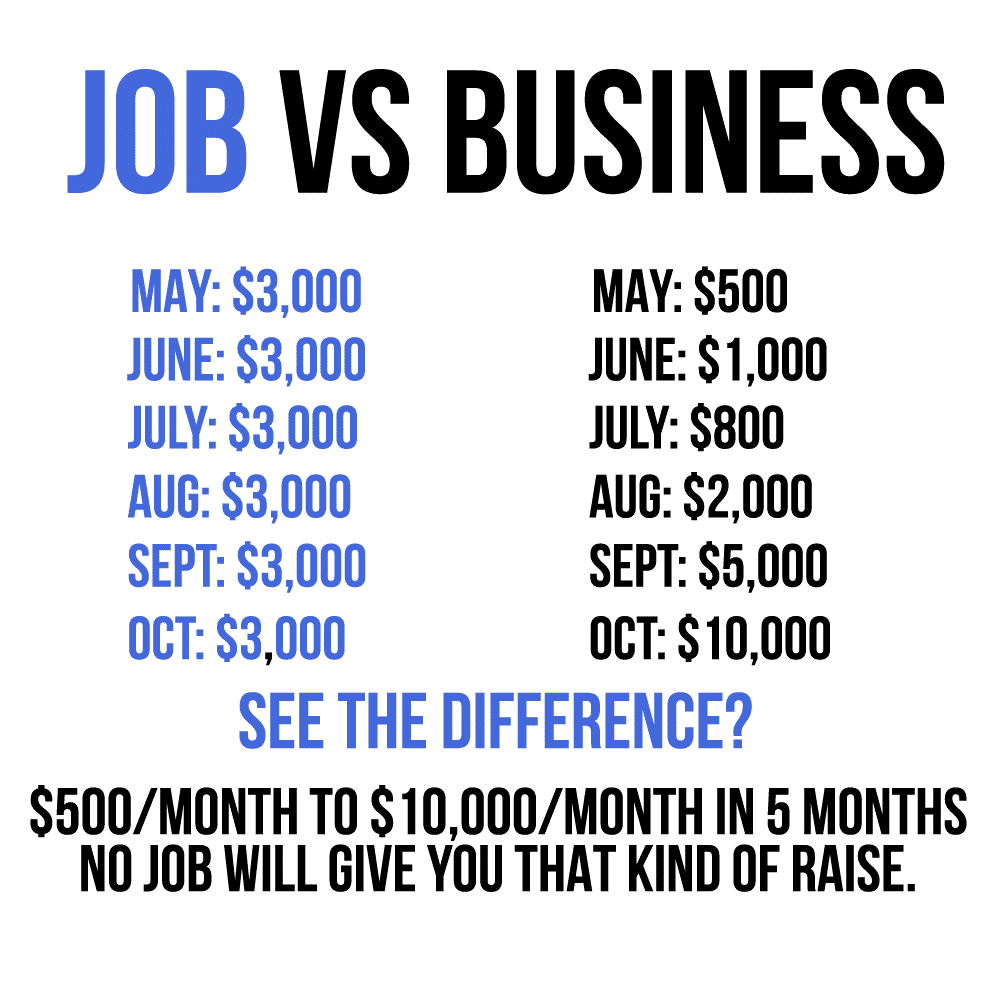
How to Monetize a Blog
Once you start a blog and get traffic coming in, there are two main ways to make money:
- Sell your own digital products
- Promote affiliate products
And ideally? Eventually both.
Because relying on one income source is risky.
Very risky.
Like “Amazon slashes commissions overnight and suddenly your rent looks nervous” risky.
Make Money with Your Own Digital Products
Digital products can include:
- eBooks
- courses
- memberships
- templates
- guides
- printables
These are great because:
- profit margins are high
- you own the product
- you control the pricing
- they can scale beautifully
Courses and memberships usually make more than eBooks, but eBooks are often easier to create first.
So don’t overcomplicate it.
Start where you are.
Make Money with Affiliate Marketing
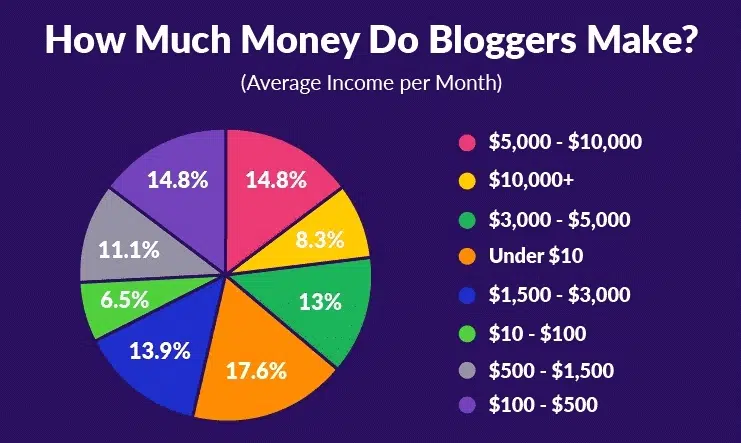
Affiliate marketing is how many bloggers make their first real money.
Here’s how it works:
You recommend a product.
Someone clicks your special link.
If they buy, you earn a commission.g
You can promote:
- physical products
- digital products
- services
- software
- courses
- subscriptions
Just make sure the products are actually good.
Because if you recommend garbage to your readers, they will remember that.
And not in a cute way.
How to Choose Good Affiliate Products
Before promoting anything, ask:
- Have I used it?
- Would I honestly recommend it?
- Is the support good?
- Does it help my readers?
If the answer is no, skip it.
Your readers are not wallets with legs.
Respect them.
If you help them, they’ll trust you. And trust is where the money lives.
How to Promote Affiliate Links Without Being Annoying
Nobody wants to be screamed at by a desperate blog post.
So, skip the weird hard-selling energy.
Instead:
- place links naturally inside helpful content
- use small sidebar or in-post graphics
- explain why the product matters
- disclose your affiliate relationship clearly
- remind readers it costs them nothing extra
That last part matters because many readers are new to affiliate links and don’t understand how they work.
Be clear. Be honest. Be normal.
That wins.
The Ultimate Affiliate Strategy
If I wanted to make affiliate money from one post, here’s the strategy I’d use:
Step 1: Choose a great affiliate product
Pick something useful and relevant.
Step 2: Find a specific keyword
Use a targeted keyword connected to that product.
Step 3: Write a genuinely helpful post
Teach first. Sell second.
Step 4: Add affiliate links naturally
Use them where they make sense.
Step 5: Add extra resources
Make the post even more useful.
Step 6: Publish at a smart time
Get eyeballs on it fast.
Step 7: Promote it through guest posts or outreach
Bring in traffic from outside sources.
Step 8: Reach out to people or brands you mentioned
Sometimes that leads to shares or backlinks.
This is how you build content that ranks, helps readers, and makes money for a long time.
If you want first-page Google traffic, focus on writing helpful content that answers real questions. Google even has its own SEO starter guide that explains how search engines evaluate and rank websites.
Why You Should Not Rely on One Income Stream
Please hear me on this.
Do not build your whole blog income around one thing.
Not one affiliate program.
Not one traffic source.
Not one product.
Not one ad network.
Because platforms change.
Programs cut commissions.
Algorithms act possessed.
I still remember when Amazon slashed affiliate commissions and people woke up to their income basically falling down the stairs.
That is exactly why diversification matters.
Use:
- affiliate programs
- ads
- digital products
- email marketing
- new monetization ideas
The more stable your income mix is, the safer your blog business becomes.
Also, test everything!
One of the biggest blogging skills is testing.
Test:
- headlines
- buttons
- colors
- pin designs
- landing pages
- email subject lines
- affiliate placements
You do not need to guess forever.
You can test and let your audience tell you what works.
That’s how smart blogs grow faster.
The Bottom Line
Starting a blog can absolutely change your life.
But only if you do it like a business and not like a random little internet craft project you abandon in two weeks.
If you want to start a blog that makes money, focus on this:
- choose the right niche
- do keyword research
- get self-hosted
- use good hosting
- build an email list
- create useful content
- monetize on purpose
- diversify your income
- test everything
That’s the formula.
Not perfect fonts.
Not fake guru energy.
Not “manifesting” blog traffic into existence.
Just strategy, consistency, and a little patience.
Start now. Start messy. Start before you feel 100% ready.
Because your broke girl era is not going to end while you “research it a bit more.”
It ends when you build the thing.
Want Me to Walk You Through It?
If all of this sounds exciting but also slightly terrifying, you’re not alone.
Every blogger starts there.
The good news is you don’t need to figure everything out by yourself.
That’s exactly why I created my free 7-Day Blogging Blueprint.
Over seven simple lessons, I’ll walk you through choosing a niche, setting up your blog, finding content ideas, getting traffic, and building a blog that can actually make money.
It’s completely free, beginner-friendly, and designed for people who are starting from zero.
Because your broke girl era isn’t ending because you read about blogging.
It’s ending because you finally start.
Start a Blog FAQ
How much does it cost to start a blog?
You can start a blog for well under $100 for your first year, depending on your hosting and domain choices.
Can beginners really make money blogging?
Yes. Beginners can make money blogging with affiliate marketing, ads, digital products, and email marketing if they build their blog the right way.
Do I need to be an expert to start a blog?
No. You need to be helpful, clear, and willing to learn. You do not need to know everything on day one.
How long does it take to make money blogging?
That depends on your niche, content quality, SEO, and monetization plan. Some blogs take a few months. Some take longer. Blogging is a long game, not a scratch ticket.
