





If you’re looking to escape the cycle of living paycheck to paycheck, learning the basics of budgeting, saving, and investing is what makes financial education for beginners so important for building a strong and steady future.
Building smart money habits now can lead to financial security, less stress, and a brighter future for you and your family.
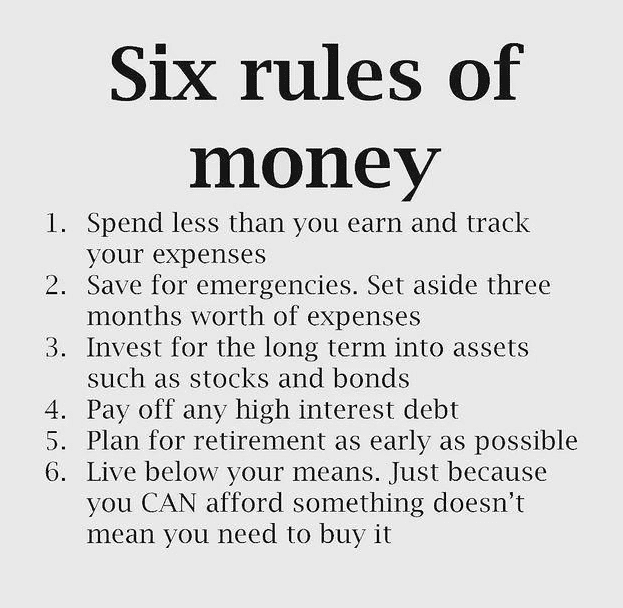
Here are 6 essential habits packed with financial advice for young people to help you avoid common money mistakes and work toward a stable financial future.
Why Financial Education for Beginners is so Crucial
A lot of people struggle with money because they haven’t learned the simple habits needed to stay financially stable. A recent survey found that only 24% of millennials understand basic money skills.
This means many people don’t know how to budget, save, or invest wisely. For young people and people just starting out, learning these important skills from financial advice websites is a big step towards gaining control of your finances.
So when I talk about smart money habits, I’m referring to learning the basics. That’s where we need to begin! As I just mentioned, only 24% of young people (specifically single mothers and engaged couples) actually KNOW the proper way to handle money. Without this knowledge, it’s easy to make mistakes like spending too much or not saving for what’s ahead.
Topic | Details | Takeaway |
Financial Literacy Stats | Only 24% of millennials demonstrate solid financial literacy. | Most people lack basic money management skills. |
Common Struggles | Many don’t know how to budget, save, or invest. | Leads to living paycheck to paycheck and financial stress. |
Importance of Education | Financial education for beginners builds a foundation for managing money wisely. | Learning these skills is the first step toward financial freedom. |
Bad Habits | Overspending, failing to save, and not preparing for the future. | These habits create financial instability and missed opportunities. |
Good Habits | Budgeting, saving, and investing. | Making smart daily choices helps achieve long-term financial independence. |
Expert Advice | Dave Ramsey says: “You must gain control over your money, or the lack of it will forever control you.” | Gaining control of your money reduces stress and unlocks life opportunities. |
Why It Matters | Being financially stable isn’t about getting rich quick. | It’s about creating small, consistent habits that lead to a secure and fulfilling future. |
The majority of people live paycheck to paycheck, stressed about bills and unexpected expenses. But with the right habits, anyone can take control of their money and start working toward financial independence.
Being financially stable isn’t about getting rich quick. However, it is about making smart choices with your money every day. Whether it’s creating a budget, building savings, or learning how to invest, these small actions add up over time.
Let’s take a closer look at 6 habits that can hold people back from financial success—and how to replace them with habits that will help you thrive.
As financial expert Dave Ramsey says,
“You must gain control over your money, or the lack of it will forever control you.”
Learning how to manage your money might seem hard at first, but it’s the key to less stress and more opportunities in life. It’s never too late to start getting good financial advice and building good money habits!

Habit #1: Lifestyle Inflation – Spending More as You Earn More
What is Lifestyle Inflation?
Lifestyle inflation happens when you increase your spending as your income grows. Many people see a salary increase as an opportunity to buy more expensive things, often leading to unnecessary expenses and little savings.
When I got my first big paycheck, I splurged on luxury items without considering long-term savings. That moment felt great, but my savings account was empty at the end of the month!
If this sounds like a familiar situation, here’s some popular financial tips….
Solution: Follow the 50-30-20 Budget Rule
To avoid spending more as you earn more, try following this simple yet smart budgeting rule:
Expense Type | Percentage of Income | Example (for $6,000 monthly income) |
Needs | 50% | $3,000 for rent, food, utilities |
Wants | 30% | $1,800 for dining, entertainment |
Savings | 20% | $1,200 for savings and investments |
Adjust these percentages based on your own goals, but don’t forget to set aside a portion of each paycheck, to save.
Habit #2: Not Having an Emergency Fund
Why is an Emergency Fund Important?
An emergency fund is a savings buffer that covers unexpected expenses, such as car repairs or medical bills. Without it, many turn to high-interest loans, creating a cycle of debt that’s difficult to escape.
Experts recommend saving 3-6 months’ worth of living expenses to ensure you’re prepared for emergencies.
Solution: Automate Your Savings
Set up an automatic transfer to a separate savings account each month.
Studies show that automating your savings can increase your success rate by 3.8 times. This works because it takes the decision-making out of the process—basically you save without even thinking about it!
Start with a small, manageable amount, like 20 or 50 bucks, and then slowly increase it over time as your income continues to grow.
Monthly Expense | Emergency Fund Goal (3 Months) | Emergency Fund Goal (6 Months) |
$3,000 | $9,000 | $18,000 |
Automating your savings will also help you build a habit of paying yourself first. This means treating your savings like a bill you can’t skip, ensuring your future financial security.
Over time, this habit can help you create an emergency fund, save for big goals like a home or vacation, or even start investing.
TIP: Open a savings account at a different bank than your checking account.
Opening a savings account at a different bank than your checking account can help you save more by making it harder to access the money. This reduces the urge to spend it. Watching your savings grow over time will motivate you to stick with it and save even more!
Remember, saving doesn’t have to be hard. But automating your savings can make it a lot easier to take that first step toward financial stability.

Habit #3: Overlooking Tax-Saving Opportunities
How to Save on Taxes
One thing I didn’t realize when I first started learning about money was how much taxes can quietly eat away at your paycheck.
A lot of people never take advantage of tax-saving accounts or workplace retirement plans simply because nobody explains them. But learning how these accounts work is one of the easiest ways to keep more of the money you already earn.
Take Warren Buffett, for example…..
He’s one of the richest people on the planet, yet he has famously pointed out that his tax rate is lower than many middle-class workers. That’s not because of a secret loophole. It’s because wealthy people understand how to use tax rules, investments, and tax-advantaged accounts to their benefit.
Now, most of us aren’t trying to become billionaires. I know I’m not.
But we can learn from the same idea.
The more you understand tax-friendly accounts and retirement plans, the more money stays in your pocket instead of heading straight to the government. And that’s money you can use to build savings, invest for the future, or simply make life a little less stressful.
Solution: Contribute to Tax-Advantaged Accounts
Consider contributing to a 401(k) or an Individual Retirement Account (IRA) to lower your taxable income.
Account Type | 2025 Contribution Limit | Tax Benefit |
401(k) | Up to $23,000 | Reduces taxable income |
Health Savings Account | Up to $4,150 | Tax-free for qualified medical expenses |
Traditional IRA | $7,000 (under 50) | Deductible contributions reduce taxes owed |
Habit #4: Ignoring Career Capital and Skill Building
What is Career Capital?
Another important part of financial literacy is building what experts call “career capital.”
That’s just a fancy way of saying the skills, knowledge, and experience that make you valuable. Think of it like this: the more problems you can solve, the more people are willing to pay you.
For example, someone who knows how to code, manage projects, write sales copy, run Facebook ads, or speak confidently in front of a crowd often has more earning potential than someone without those skills.
The good news is that career capital isn’t something you’re born with. It’s something you build over time.
Every new skill you learn adds another tool to your toolbox. And the more useful tools you have, the easier it becomes to earn higher pay, land better jobs, negotiate raises, or even start a side hustle of your own.
“The more skills you have, the more valuable you are in the job market, which increases your earning potential.”
Solution: Invest in Skill Building
One of the best investments you can make is in yourself.
Try setting aside a little time each week to learn a new skill. It doesn’t have to be anything fancy. Even learning basic coding, improving your writing, getting better with spreadsheets, or learning how to use AI tools can make you more valuable at work.
The goal isn’t to become an expert overnight.
It’s to slowly build skills that help you earn more money over time. Every new skill you learn is another tool in your toolbox, and those tools can lead to better jobs, bigger raises, and more opportunities down the road.
Skill | Average Salary Increase | Examples of Fields |
Coding | Up to 20% | Data analysis, engineering, IT |
Project Management | Up to 15% | Business, marketing, tech industries |
Financial Literacy | Up to 12% | Finance, management, accounting |
Habit #5: Relying Only on Hard Work, Not Leverage
Why Leverage Matters
Working hard is important, but there comes a point where working smarter starts to matter even more.
That’s where leverage comes in.
Leverage is simply using tools, systems, money, or other people’s skills to help you get bigger results without putting in more hours.
Think about it this way. If you save money by cutting coupons, you’re trading your time for savings. But if you invest money and it earns more money while you’re sleeping, that’s leverage.
The same idea applies to other areas of life. Using AI tools to speed up your work, creating a digital product that can be sold over and over again, or hiring someone to handle tasks that aren’t the best use of your time are all forms of leverage.
The reason wealthy people often build wealth faster isn’t because they work 100 times harder than everyone else. It’s because they learn how to use leverage.
When you combine hard work with leverage, your efforts can go much further. Instead of constantly running faster on the hamster wheel, you start building systems that help move you toward your goals even when you’re not actively working.
Solution: Use Financial Leverage Through Investing
Investing allows your money to grow over time. For example, a small annual investment in the stock market can grow significantly with compound interest.
Annual Investment | Average Return (10%) | Value in 40 Years |
$6,000 | 10% | $2.7 million |
Consider using apps like Robinhood or Vanguard for easy investment options.
Habit #6: Accumulating Bad Debt
The Dangers of Bad Debt

Many people rely on credit cards for everyday spending, but this can lead to high-interest debt that’s hard to escape. The average credit card interest rate is about 27.9%, and if you don’t pay off your balance each month, those interest charges can add up fast.
Debt might not seem like a big deal at first, especially when it’s only a few hundred dollars. But credit card debt has a sneaky way of growing.
That $300 shopping trip can quickly become much more expensive when high interest charges start piling up month after month. Before long, a purchase that felt small in the moment can cost hundreds, or even thousands, more than the original price.
That’s why understanding debt is such an important part of financial literacy.
Every dollar you don’t pay in interest is a dollar you can put toward savings, investing, paying down your mortgage, or treating yourself to something you can actually afford. The goal isn’t to never use credit. It’s to use it wisely, so your money works for you instead of against you.
Financial education for young people can teach the importance of paying off credit cards in full to avoid these traps. Learning how to manage credit wisely is one of the best ways to build good financial habits and protect your future.
Solution: Use the Avalanche Method to Pay Off Debt
One way to avoid this trap is to use credit cards only for purchases you know you can pay off by the end of the month. If you’re already carrying a balance, consider paying off the debt with the highest interest rate first. This approach, called the avalanche method, can help you save on interest and pay down debt faster.
The Avalanche Method prioritizes paying off debt with the highest interest rate first, saving you money on interest.
Debt Type | Balance | Interest Rate | Minimum Payment | Priority |
Credit Card 1 | $1,000 | 20% | $50 | First |
Credit Card 2 | $2,800 | 10% | $70 | Second |
Car Loan | $17,000 | 8% | $300 | Third |
By focusing on high-interest debt first, you’ll pay less in interest over time and become debt-free faster.

The Wrap on Financial Education for Beginners
Learning and practicing these six habits can completely transform your financial future. Financial education for beginners goes beyond creating a budget or saving a little each month—it’s about making smart decisions, avoiding common money traps, and using strategies to grow your wealth over time.
For those looking for financial advice for low-income earners, starting small is key. Focus on tracking your expenses and setting aside even $5 or $10 at a time. Automating your savings
can make a big difference without requiring constant effort.
Similarly, financial advice for single moms often emphasizes prioritizing needs over wants, finding creative ways to save, and leveraging community resources to build stability.
Whether you begin to familiarize yourself with top financial advice websites or financial education books, for beginners this can and will help you learn how to manage your money better, invest wisely, and plan for your future once and for all.
Start with simple steps, like setting clear financial goals, reviewing your spending, and creating a plan that works for your unique situation.
Remember, small, consistent actions today can lead to a stable financial future. Whether you’re saving for emergencies, paying off debt, or investing in your future, every choice you make now and later matters.
Surprisingly, many schools don’t even bother to teach financial education for beginners, but learning these skills can help young people build a brighter future so please like and share this important information.
Also, don’t forget to leave a comment below with your favorite tip or share your own financial success story. 😊
